No. We are not proposing stratus computing.
Computing has borrowed enough from meteorology already. There was cloud, then fog, then edge — and, for anyone keeping score, mist computing and dew computing are both real, both published, and both still waiting for someone to need them. The atmosphere has no more layers to spare.
The acronym came first. We needed a name for a group working on Secure, TRustless, Autonomous Technologies for Ubiquitous Systems, and the letters fell out as STRATUS. Only afterwards did someone point out what a stratus actually is.
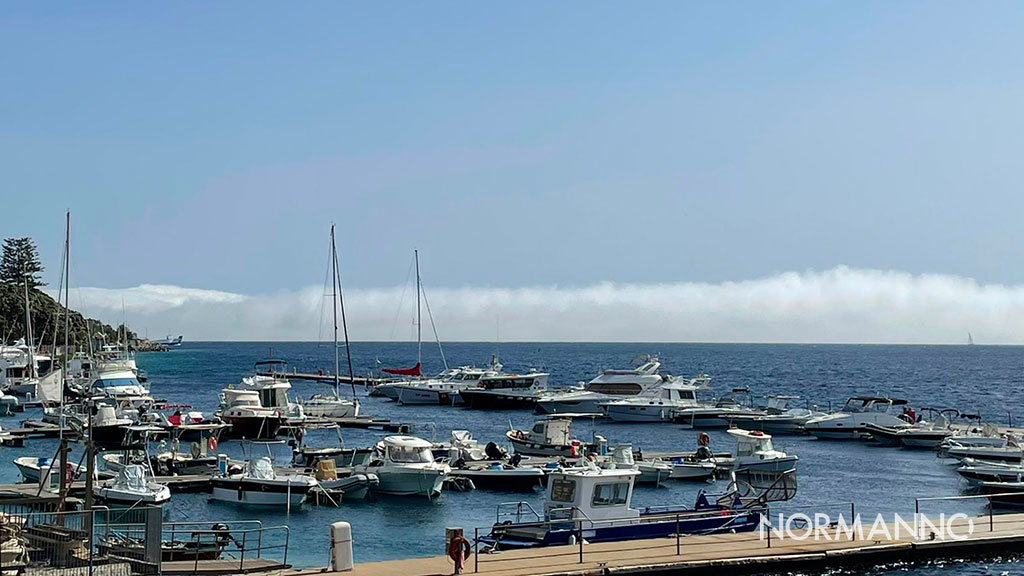
A stratus is the low, flat, featureless cloud that spreads in sheets instead of piling up. When it comes down far enough to touch the surface, it stops being called a cloud and starts being called fog. That is the whole difference: altitude.
And the Strait of Messina produces one of the finest examples in the Mediterranean. Here it is called la Lupa — the she-wolf.
It is advection fog. In spring the water of the Strait stays below 17 °C, kept cold by the deep currents that constantly exchange water between the Tyrrhenian and the Ionian. When the first warm, humid air of North African origin drifts across that cold surface, it cools abruptly, condenses, and settles into a layer one to two hundred metres thick that crosses the Strait and swallows both shores in minutes.
A stratus, lying on the sea, where we happen to work.
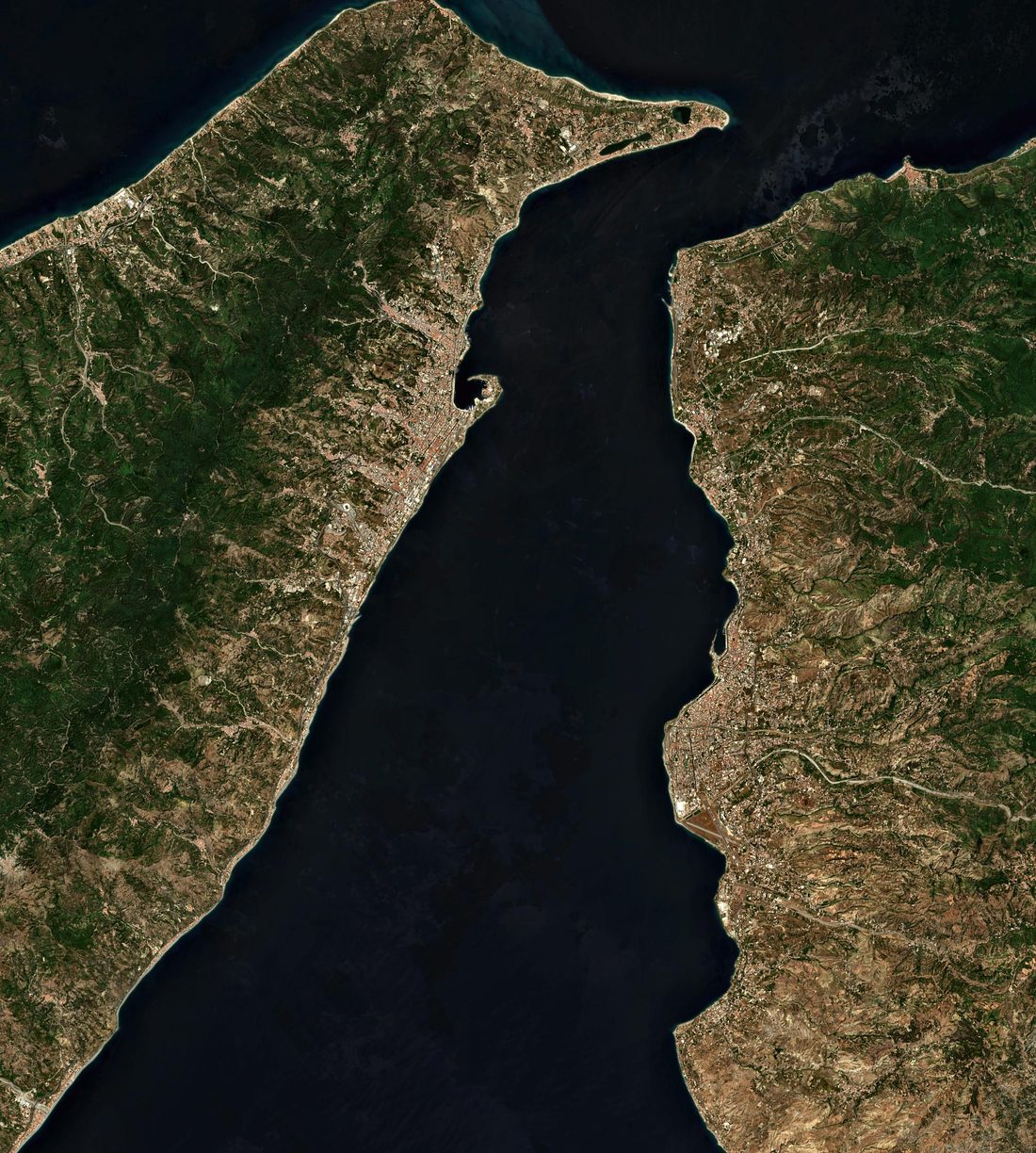 Department of Engineering
As for the name, the most credible account is that the fog made the boats howl. Unable to see one another, crews would sound a conch shell to signal their position, and the noise carried over the water like wolves calling in the dark. Other explanations compete: the wolf as the devil, blamed for ruining the crops; the hunger of sailors who could not go out to fish; or simply a curse muttered at the weather.
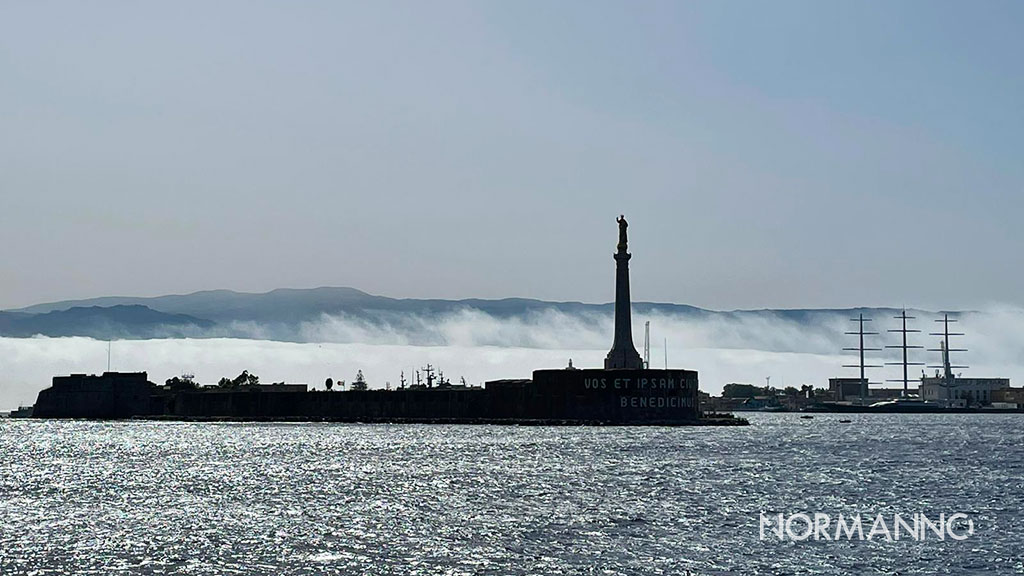
Serendipity has given science penicillin and X-rays. It gave us a name that belongs to this stretch of sea.